

Columbia State Historic Park preserves a Gold Rush-era business district near Sonora, California, with shops, restaurants and two hotels. You can stroll the historic district, visit the museum and join a guided town walk on its regular schedule.
- Location: off Highway 49, north of Sonora.
- From The Gold Lodge: about 4.0 miles from a hotel in Sonora.
- Exhibits are open daily, with hours that vary by season.
- Vehicle day-use admission is free.
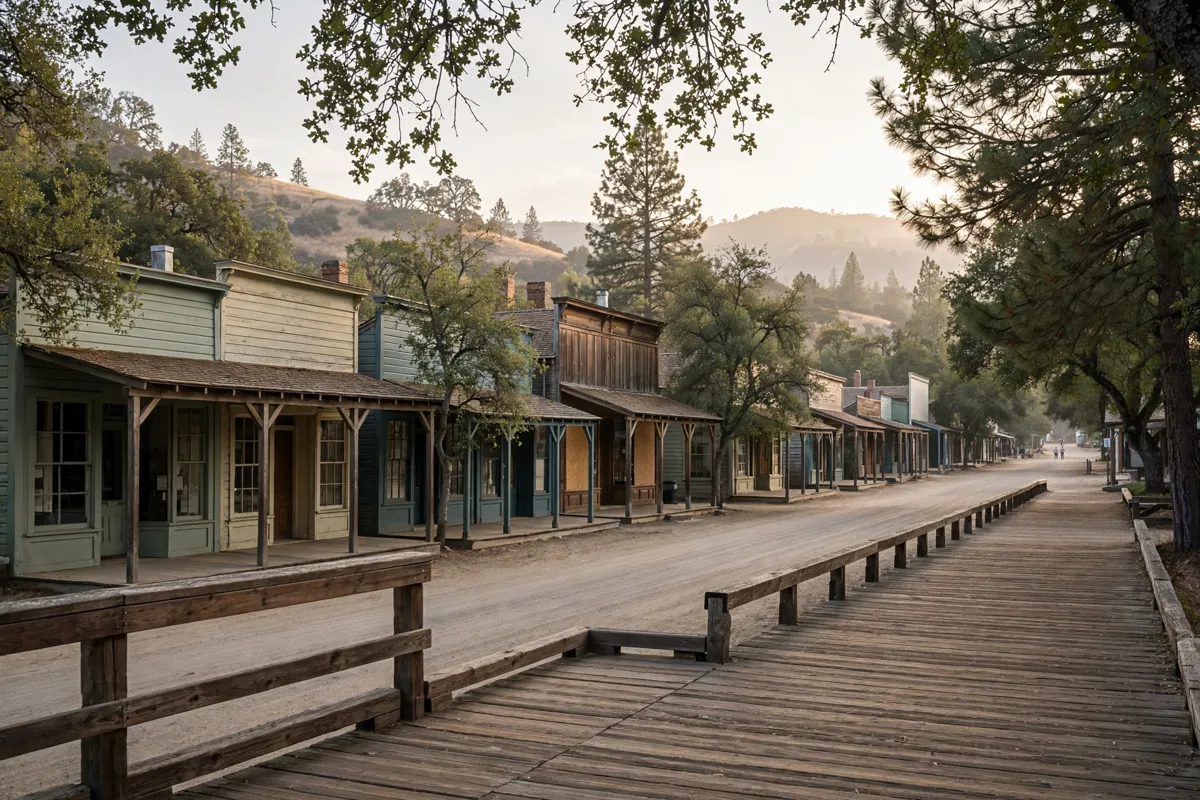
What to expect in the historic district
Columbia State Historic Park preserves the business district of a Gold Rush town once known as the “gem of the southern mines.” California State Parks uses that nickname for a place where the historic streetscape includes shops, restaurants and two hotels.
The district is off Highway 49, north of Sonora. Start with a walk through the town, then make time for the museum and its exhibits. The park is a living historic district, so the streets and buildings are part of the setting, alongside the businesses operating there.
For a broader look at the nearby county seat before or after your visit, the Sonora city-centre guide covers its historic core.
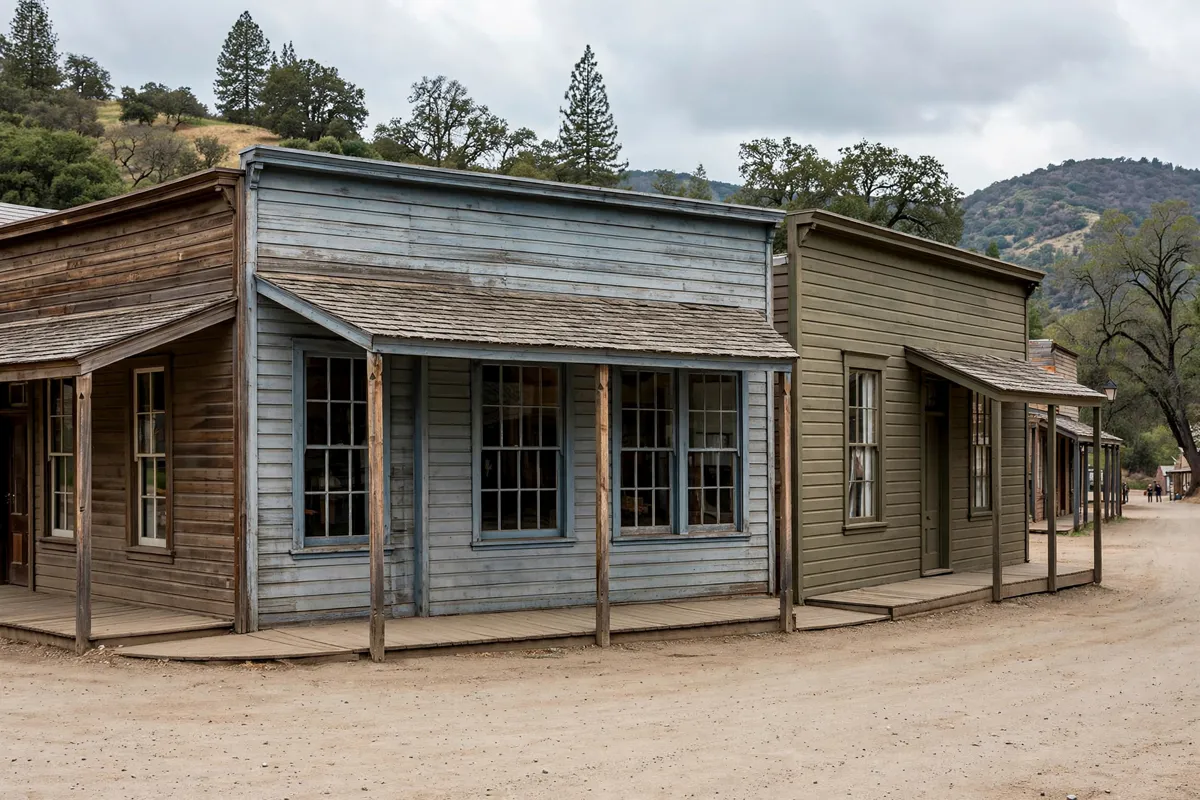
Historic buildings and demonstrations
The historic district’s shops and restaurants give you a way to see the town as a business centre rather than only as a collection of old buildings. The museum adds context with a brief park video and special exhibits about area history.
A guided town walk is offered daily at 11 a.m. during summer and at 11 a.m. on Saturdays and Sundays during the rest of the year. Ask at the museum when you arrive.
If you’re arranging a group of more than ten people or a special tour, contact the park in advance by calling 209-588-9128. Private tours cost $5 per person, require at least one month’s notice and depend on staff or volunteer availability.
Railtown 1897 State Historic Park is another named historic park in the area; its visitor guide from Sonora covers a separate outing.
Prices and times checked November 2026.
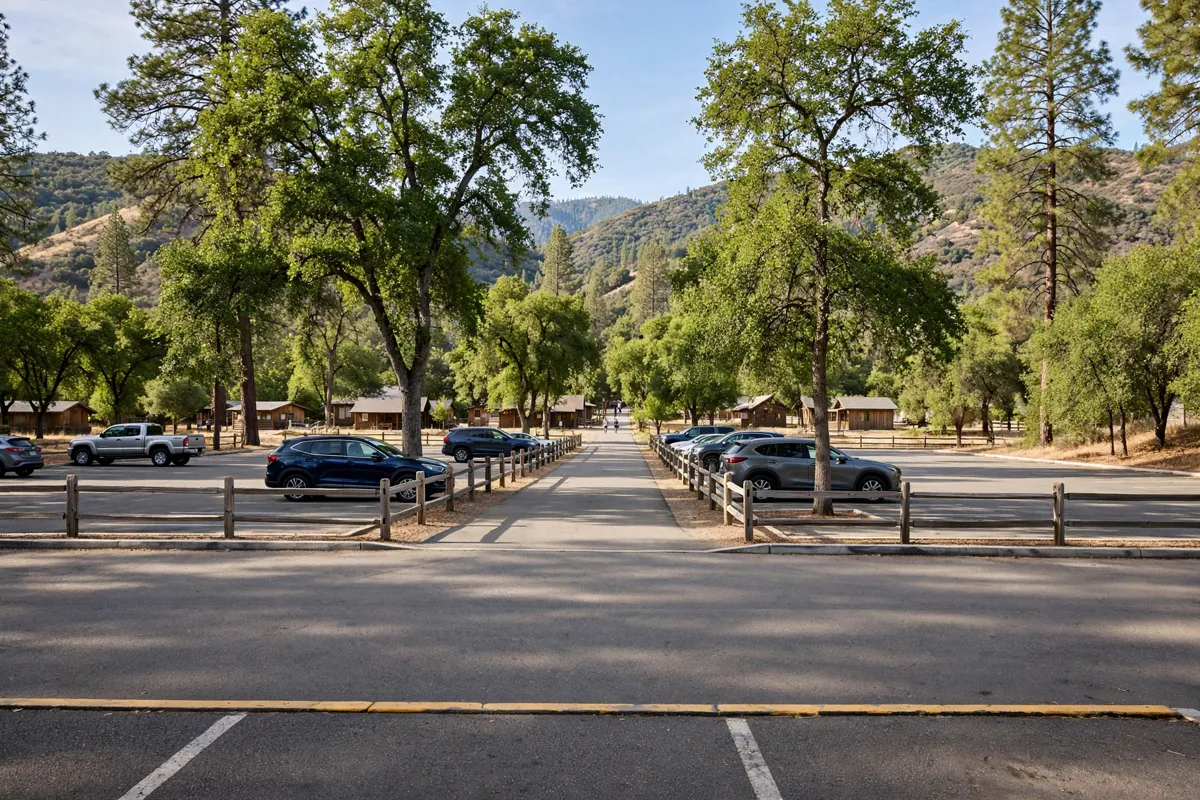
Hours, parking, and visitor access
Park exhibits are open daily from 10 a.m. to 4 p.m. October through April and from 10 a.m. to 5 p.m. May through September. They close on Thanksgiving and Christmas Day.
Most merchants are open from 10 a.m. to 5 p.m., while the museum is open daily from 10 a.m. to 5 p.m.. Hours can change, so check the official site before you go.
Vehicle day-use admission is free. Accessible parking is available in the lower lot at Columbia and Jackson, on Fulton off Broadway, in three lots along Broadway Street, at the Schoolhouse and across from the District Office.
Raised, level boardwalks and building entrances make many routes more accessible, though some uneven surfaces remain where paths cross roadways. Accessible restrooms are located at the District Office, the lower parking lot, behind the Visitor Center Museum on State Street, beside the Firehouse on Main Street and next to the St. Charles Saloon.
Accessible picnicking and a restroom are available near the lower parking lot. You’ll also find accessible picnic sites on Jackson Street near the corner of Jackson and Colombia Street. Dogs are allowed in the park but not inside historic buildings.
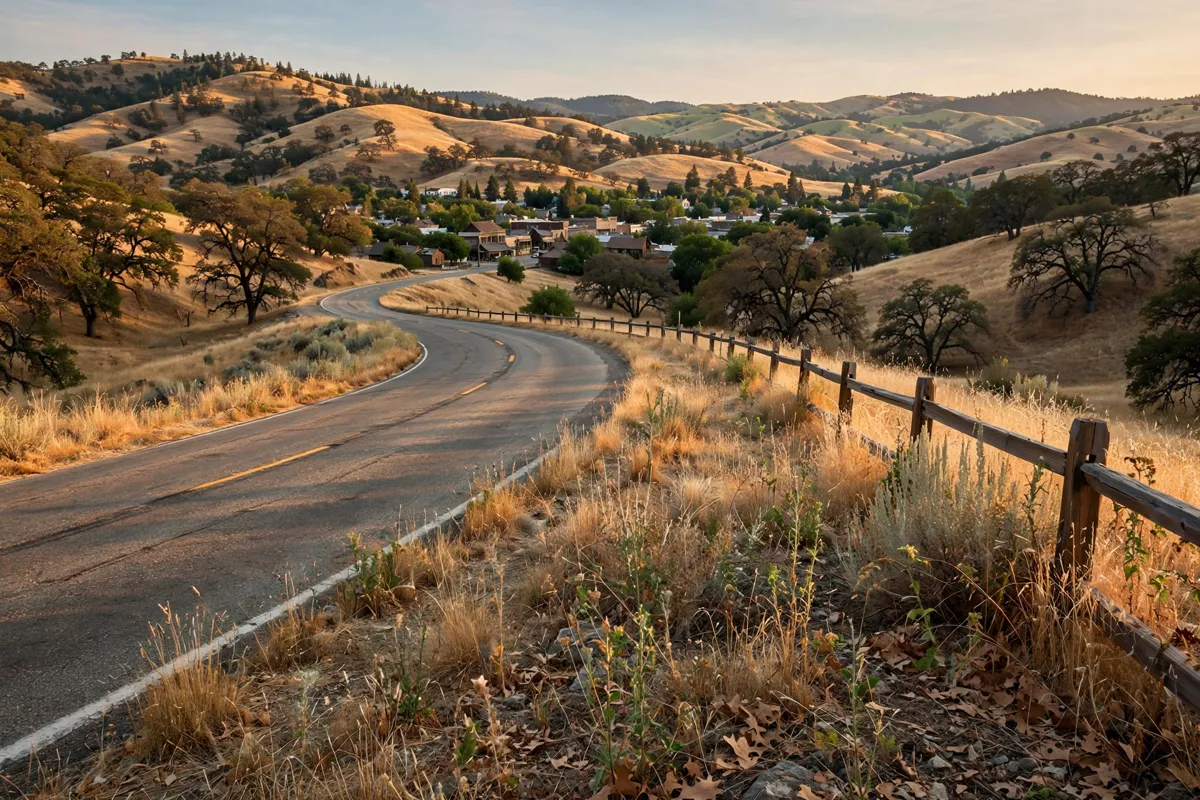
Making a day of the trip from Sonora
Plan the visit around the seasonal exhibit schedule, and leave room to walk the district and spend time in the museum. If a guided walk is part of your plan, check its schedule above and ask at the museum upon arrival. The town’s shops and restaurants are another part of the historic district to fit into your day.
For more local history while you’re in Sonora, the Tuolumne County Museum guide covers that separate stop.
FAQs
Is admission to Columbia State Historic Park free?
Vehicle day-use admission is free.
Are dogs allowed in the park?
Yes. Dogs are allowed in the park, but not inside historic buildings.
When are guided town walks offered?
They run daily during summer and on Saturdays and Sundays during the rest of the year. Ask at the museum when you arrive.
Are accessible routes and facilities available?
Yes. The park has accessible parking, boardwalks, building entrances, restrooms and picnic areas, though some uneven surfaces remain where routes cross roadways.